Should You Book an Inspection or Rodent Trapping First?
Inspection and trapping solve different parts of a rodent problem. This guide explains when each step makes sense and how to avoid choosing a method before the route is understood.
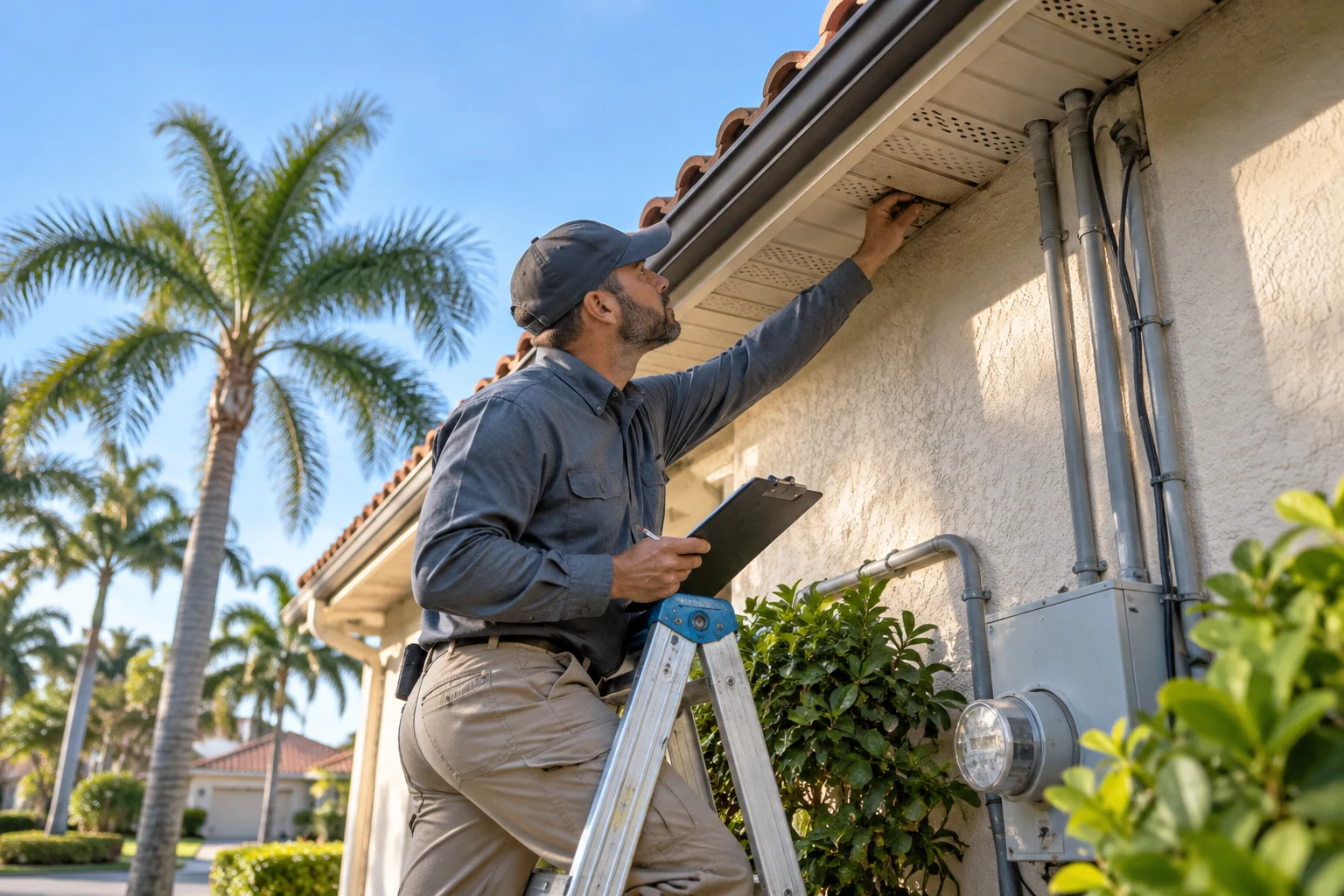
Quick answer: Inspection is usually the better first step when the route, species, or extent is unclear. Trapping may fit when active movement and access are confirmed. A good plan connects inspection, removal, exclusion, cleanup, and follow-up instead of treating trapping as the whole solution.
What does a rodent inspection do?
An inspection gathers evidence about where activity occurs, how an animal may enter, and whether the problem affects an attic, crawl space, wall, garage, pantry, or other area. It can include visible signs, access points, nesting, droppings, gnawing, odor, moisture, and building transitions. The result should be a clear explanation, not only a list of products.
Inspection is especially useful when the first sign is far from the likely entry. A homeowner may hear movement in a ceiling while the route begins at a roofline or garage. Mapping both sides of the problem helps prevent a treatment that solves one room while leaving the building edge open.
- Identify active and old evidence
- Trace the most likely route
- Separate rodent signs from other causes
- Build a scope for the next service
When does trapping make sense?
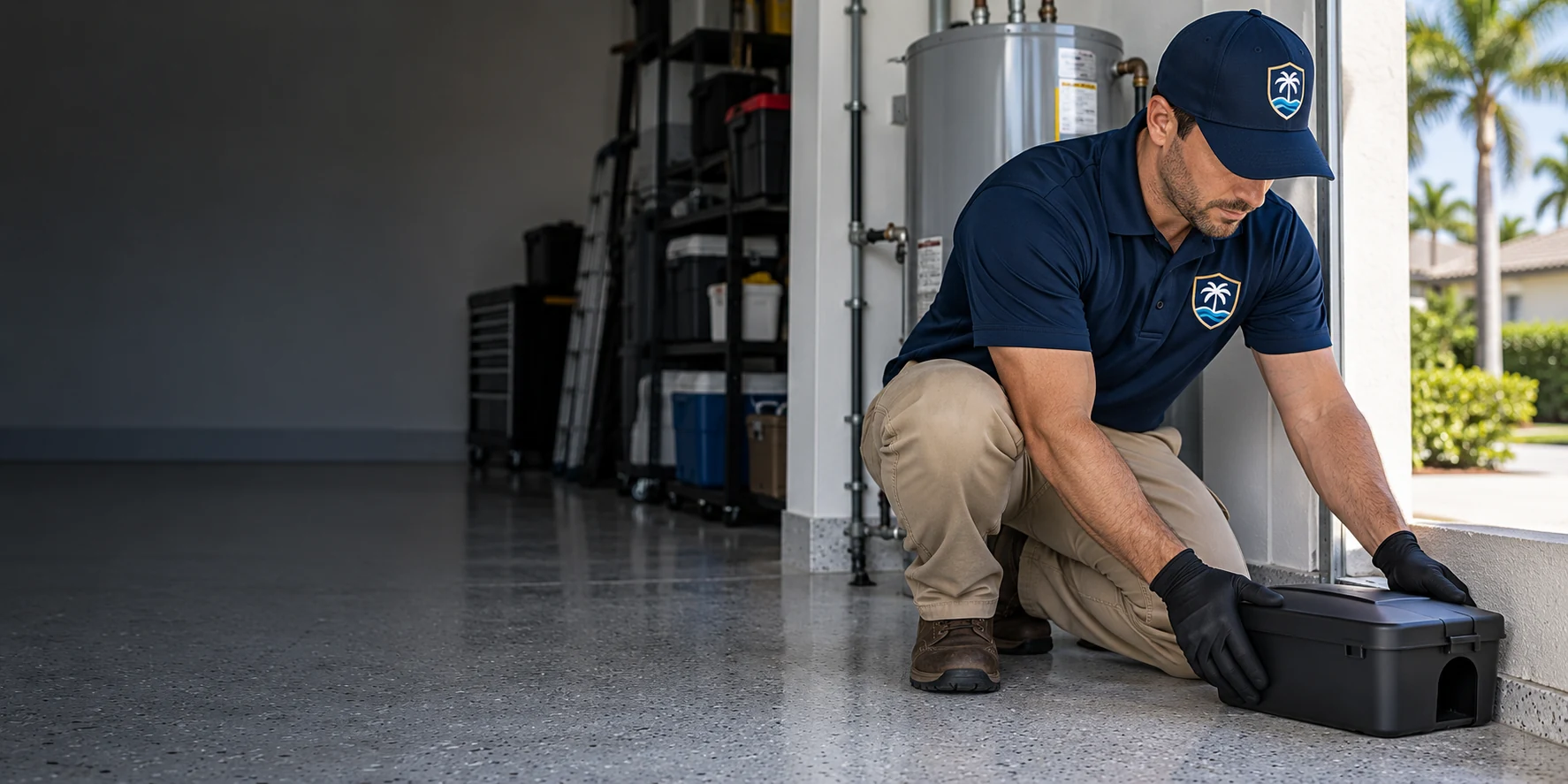
Trapping may make sense when active movement is confirmed, access is known, and placement can be done safely. The plan should account for children, pets, occupied rooms, stored items, and the location of the animal. Traps should not be placed randomly just because a sound or dropping was noticed once.
Ask how the provider will monitor traps, what happens if the animal is not caught, and how the route will be closed afterward. Trapping can remove an active animal, but it does not automatically repair a screen, seal a vent, clean contamination, or prevent another animal from using the same opening.
- Active evidence is recent
- Placement can be monitored safely
- The route and likely animal location are known
- Follow-up includes exclusion and cleanup planning
Why can choosing trapping too early backfire?
If the animal is in a wall, attic, or crawl space and the route is not understood, a trap may be placed away from the actual path. The homeowner may then believe the problem is solved because the trap is present, while the animal continues using another route. A rushed approach can also disturb a nest or make later evidence harder to read.
The goal is not to delay action. It is to choose a method that matches the evidence. An inspection can be focused and practical, then lead directly to trapping or removal when the location and conditions are clear.
- Do not place equipment without a route plan
- Do not disturb hidden spaces unnecessarily
- Do not assume an empty trap means no activity
- Keep a record of dates and evidence
How are inspection and trapping different?
Inspection answers: Where is the evidence? What route explains it? What parts of the building need attention? Trapping answers: How can the active animal be removed or controlled in this location? They support each other, but they are not interchangeable. A provider may combine them during one visit when the property allows it.
The estimate should make the distinction clear. Ask what the initial service includes and what happens next. If inspection, trapping, removal, exclusion, sanitation, and repair are listed as separate steps, you can understand the cost and avoid assuming that one line item covers the full project.
- Inspection maps the problem
- Trapping addresses active movement
- Exclusion closes the entry route
- Cleanup and repair restore the affected area
What property details affect the decision?
Access and occupancy matter. A family home with children and pets needs a different placement plan from a vacant property. A condo or townhome may have shared walls and limited access. An attic may have heat and unsafe footing. A crawl space may have moisture or restricted movement. These details change what can be done safely and how follow-up should work.
Tell the provider about pets, children, tenants, stored food, recent construction, roof work, storms, and any wiring or moisture concern. Clear information saves time and helps the provider choose the least disruptive next step.
- Children, pets, and occupied rooms
- Attic, crawl-space, or wall access
- Shared walls or multi-unit conditions
- Recent storms, repairs, or construction
How does West Palm Beach weather affect timing?
Rain and heat can change where animals seek shelter. A storm may expose a roofline gap or move activity toward a dry garage, attic, or wall. That does not mean trapping should happen immediately in every case. It means recent weather belongs in the evidence log and may make inspection more useful.
After weather, check the building edge from a safe position and note displaced screens, loose trim, branches, standing water, or new openings. A short inspection can prevent a temporary storm opening from becoming a long-term route.
- Note the first activity after rain
- Check screens and roofline transitions
- Keep food and seed protected
- Recheck repairs after wind
What should follow removal or trapping?
After an animal is removed, confirm whether signs stop and whether the building route is closed. This can include exclusion at vents, soffits, screens, doors, and utility openings. If droppings, odor, nesting, or damaged insulation are present, cleanup and repair may be needed separately.
Follow-up should have a clear purpose. It may confirm that activity ended, check a repaired entry point, monitor a trap location, or review a second route. Ask what the provider will look for and when you should call again.
- Confirm activity ended
- Close the route that allowed access
- Address contamination and damage
- Set a follow-up date when needed
How to compare rodent-control estimates
Compare scopes, not just totals. One estimate may include only a visit and trap placement. Another may include inspection, route documentation, exclusion, sanitation, and a follow-up. Make sure you know whether materials, labor, monitoring, repairs, and disposal are included or separate.
A quality estimate uses plain language. It should name the areas inspected, the evidence found, the recommended order of work, preparation instructions, and limits of the recommendation. Avoid any provider who promises a result without seeing the property or who cannot explain what the first visit covers.
- Ask what is included
- Ask what is excluded
- Confirm follow-up and monitoring
- Keep a written record of the scope
What to include when requesting help
When you contact a West Palm Beach service provider about rodent inspection or trapping, share the address area, the rooms involved, the first date you noticed a sign, and what changed before the problem started. Explain whether the property is a single-family home, condo, townhome, rental, garage, or another setting. Clear details help the provider plan access and ask better questions before the visit.
Include recent weather, roof or screen work, plumbing or HVAC service, pets, children, stored food, and any safety concern. Say what you have already tried and whether the evidence returned. Ask for a written scope that separates inspection, removal or trapping, exclusion, cleanup, repair, monitoring, and follow-up. This makes the next step easier to understand and helps prevent a generic recommendation.
- Room, date, time, and type of evidence
- Recent storms, repairs, or changes in access
- People, pets, food, and occupied areas that need protection
- What the first visit includes and how completion will be checked
Local planning notes for West Palm Beach homeowners
Choosing between inspection and trapping is a service decision, not a test of how worried you should be. Inspection is useful when the route or extent is unclear. Trapping is useful when active movement, placement, and monitoring are understood. In some homes both happen during the same visit, while in others a focused inspection prevents unnecessary equipment or a missed entry route.
Ask for the recommendation in plain language. You should know what evidence was found, what remains uncertain, what is included in the first service, and what will happen if the animal is not caught. This is especially important in occupied homes, condos, townhomes, attics, crawl spaces, and properties with children, pets, or shared building edges.
A complete rodent plan has an endpoint. Removal or trapping addresses the active animal; exclusion addresses the building; cleanup addresses contamination; repair addresses damage; and follow-up checks the result. When those parts are listed separately, you can make a better decision and avoid paying for a short-term step while the same route stays open.
Frequently asked questions
Should inspection or trapping come first?
Inspection is usually best when the route or extent is unclear. Trapping may follow when active movement and safe placement are confirmed.
Does trapping solve a rodent problem?
Trapping can remove an active animal, but exclusion, cleanup, repair, and follow-up may still be needed to prevent recurrence.
How long does a rodent inspection take?
Timing depends on property size, access, evidence, and hidden spaces. Ask what areas are included and whether a written scope is provided.
What should I prepare before an inspection?
Share your evidence log, protect children and pets, keep access areas available, and do not disturb droppings, nests, wiring, or suspected entry points.
Connect the evidence to the right service