Fine-gap inspection
Focus on cabinet, appliance, pipe, and door transitions that mice can use without obvious damage.
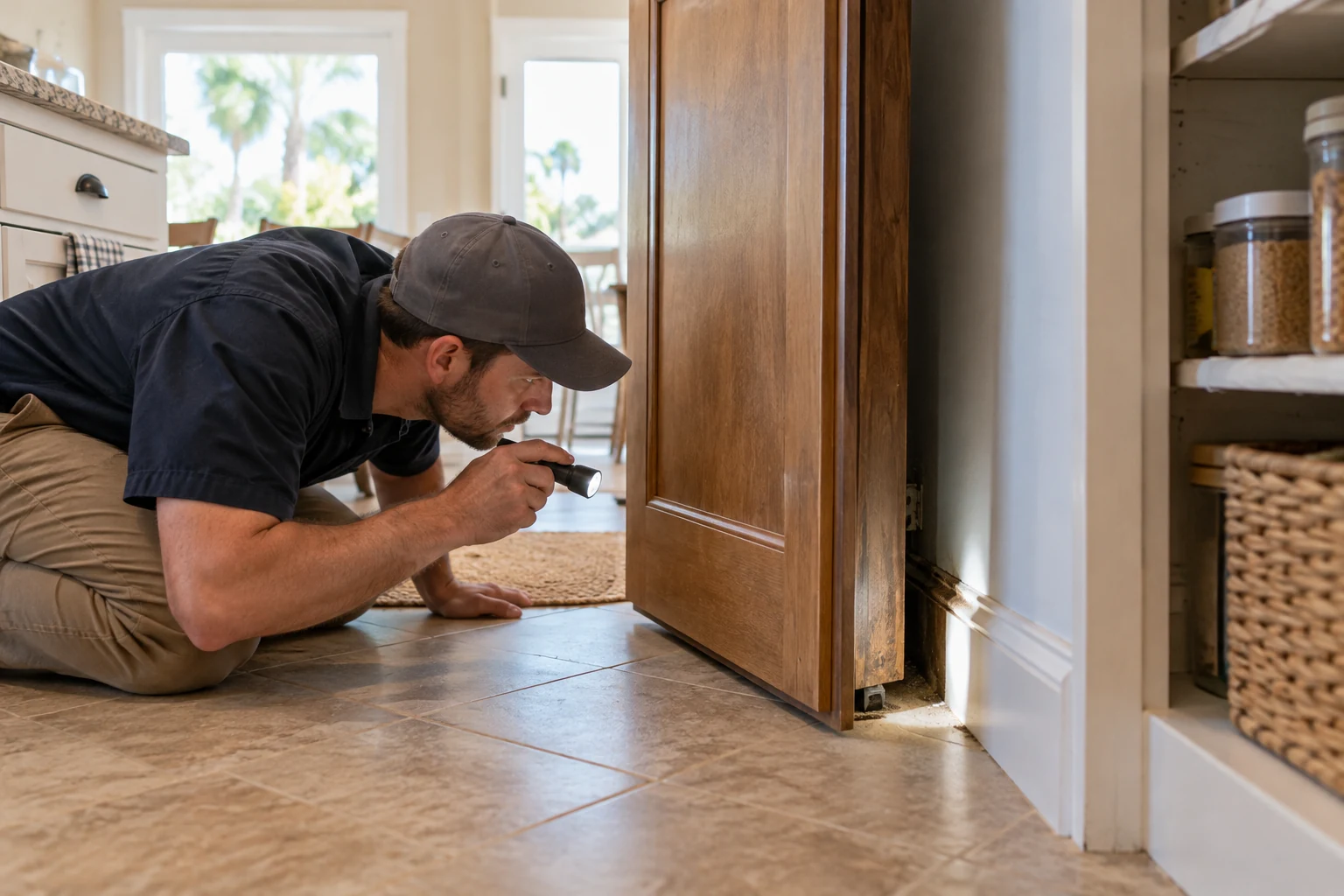
Mouse problems often begin as a small, persistent pattern: light scratching after dark, small droppings along a wall, or a pantry item that has been disturbed. Because mice can use narrow gaps and concealed spaces, the useful visit connects removal with a search for how they got inside.
Focus on cabinet, appliance, pipe, and door transitions that mice can use without obvious damage.
Use tiny droppings, gnawing, noise, and food disturbance together.
Protect pantry and pet-food routines while the route is evaluated.
Leave a simple way to tell whether signs are fading or returning.
For Mouse Control And Removal, the visit connects the reported signs to the building conditions that can sustain them.
A mouse-control plan should fit the building. A kitchen, apartment, detached garage, and office break room create different routes and different decisions about access, sanitation, and follow-up.
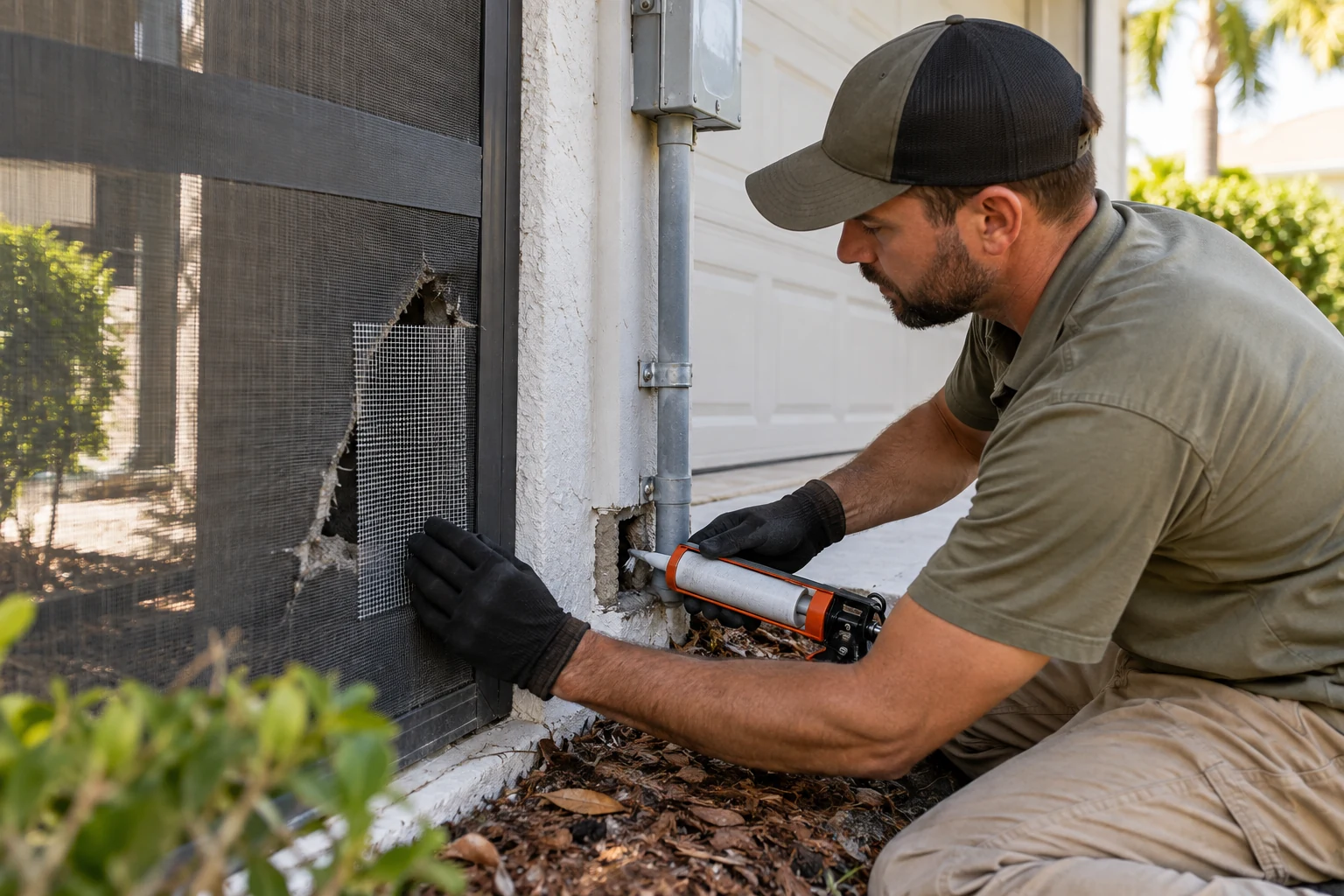
Mice may use gaps that are easy to overlook and routes that change between rooms. The plan stays close to the building details where evidence appears.
The Mouse Control And Removal visit follows the evidence most relevant to this service, then sets the next action in a clear order.
We review where signs appear, when noises occur, and whether activity is concentrated around food, storage, walls, or ceiling spaces.
The inspection focuses on gaps around pipes, doors, cabinets, vents, appliances, and other transitions that can provide mouse access.
Depending on the property, the plan may include targeted traps, exclusion recommendations, housekeeping changes, and a follow-up review.
We explain which signs should fade, which areas to keep clean and accessible, and when a second look is appropriate.
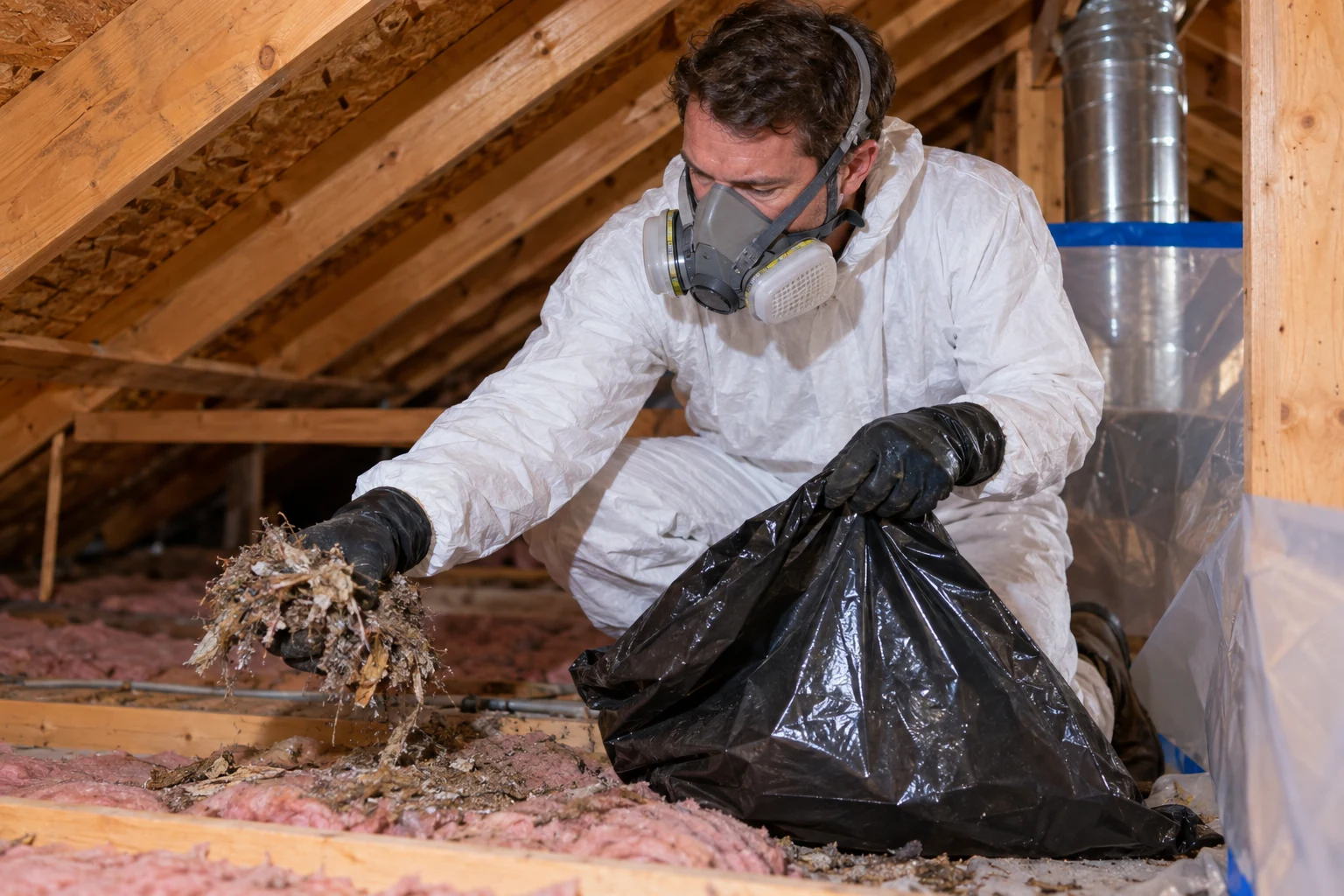
The useful answer is not only where a mouse was caught. It is which gap, food source, or concealed route keeps making the same room active.
Mouse activity often appears as a sequence of small clues rather than one dramatic event.
This service fits recurring pantry disturbance, light scratching, small droppings, or a mouse seen near a wall, cabinet, garage, or utility opening.

The smallest details can change the right next step.
A pantry sign may be fed by a cabinet void, appliance gap, or wall penetration.
Fresh signs over several days suggest the route matters as much as the animal.
Secure storage while checking whether the building still offers a way in.
Access and household use determine how the visit is staged.

A mouse visit is easier to focus when the property’s normal routine remains visible.
Capture droppings, gnawing, or disturbed packaging before cleaning.
Note where activity starts, stops, and becomes noticeable.
Protect pantry goods and pet food without sealing the suspected route.
Tell us which spaces can be opened and which need special handling.
The closeout should give you a way to judge whether the small pattern is actually changing.

Recurring mouse evidence can point beyond the original pantry or wall.
Movement from kitchen to garage, attic, or bedroom expands the boundary.
Fresh deposits in the same line suggest the route remains active.
The building opening may be the stronger driver.
New nesting or residue may require cleanup or restoration.
Share the room, smallest sign, time of day, and what happens near food or appliances.
Small details are easier to use when they are recorded in the order they appear.
Write down where signs begin and which room shows them next
Note packaging, pet food, pantry shelves, and trash routines
Record gaps around pipes, appliances, doors, and cabinets
A trap can address one animal without addressing the route or shelter that supports continued activity. A broader inspection helps determine what remains.
No. Mice can enter clean, well-maintained properties through small gaps while looking for shelter, food, or stable temperatures. Sanitation helps, but it is not the whole solution.
Leave the property as it is unless asked otherwise. Showing the normal conditions can help identify travel paths and access points.
Act when signs repeat, especially around food-storage areas, bedrooms, electrical components, or enclosed spaces where evidence can accumulate.
For Mouse Control And Removal, describe the affected space, the timing, and what has already changed so the first conversation is useful.
Describe the problem
See how this related option supports Mouse Control And Removal planning.
View service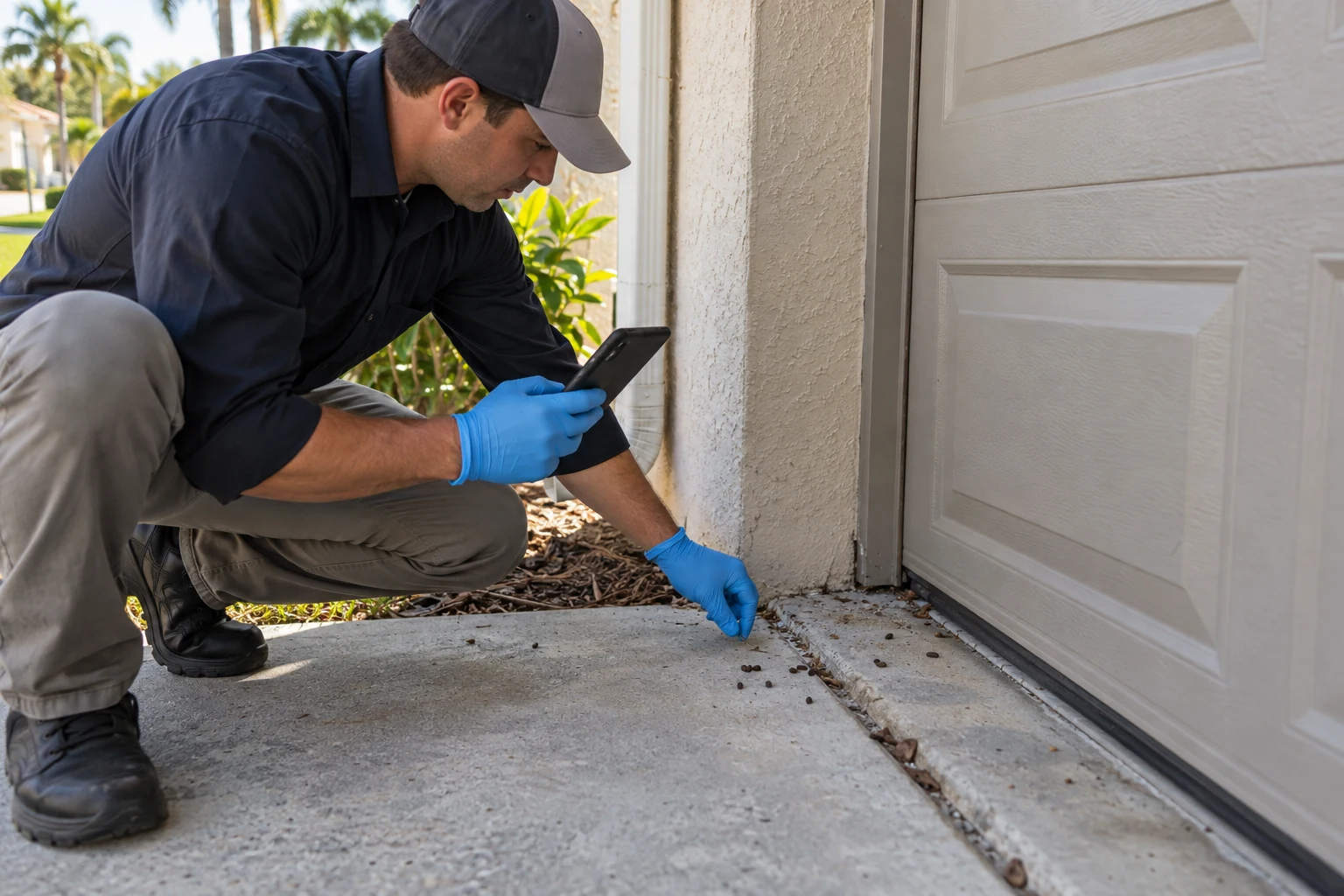
See how this related option supports Mouse Control And Removal planning.
View service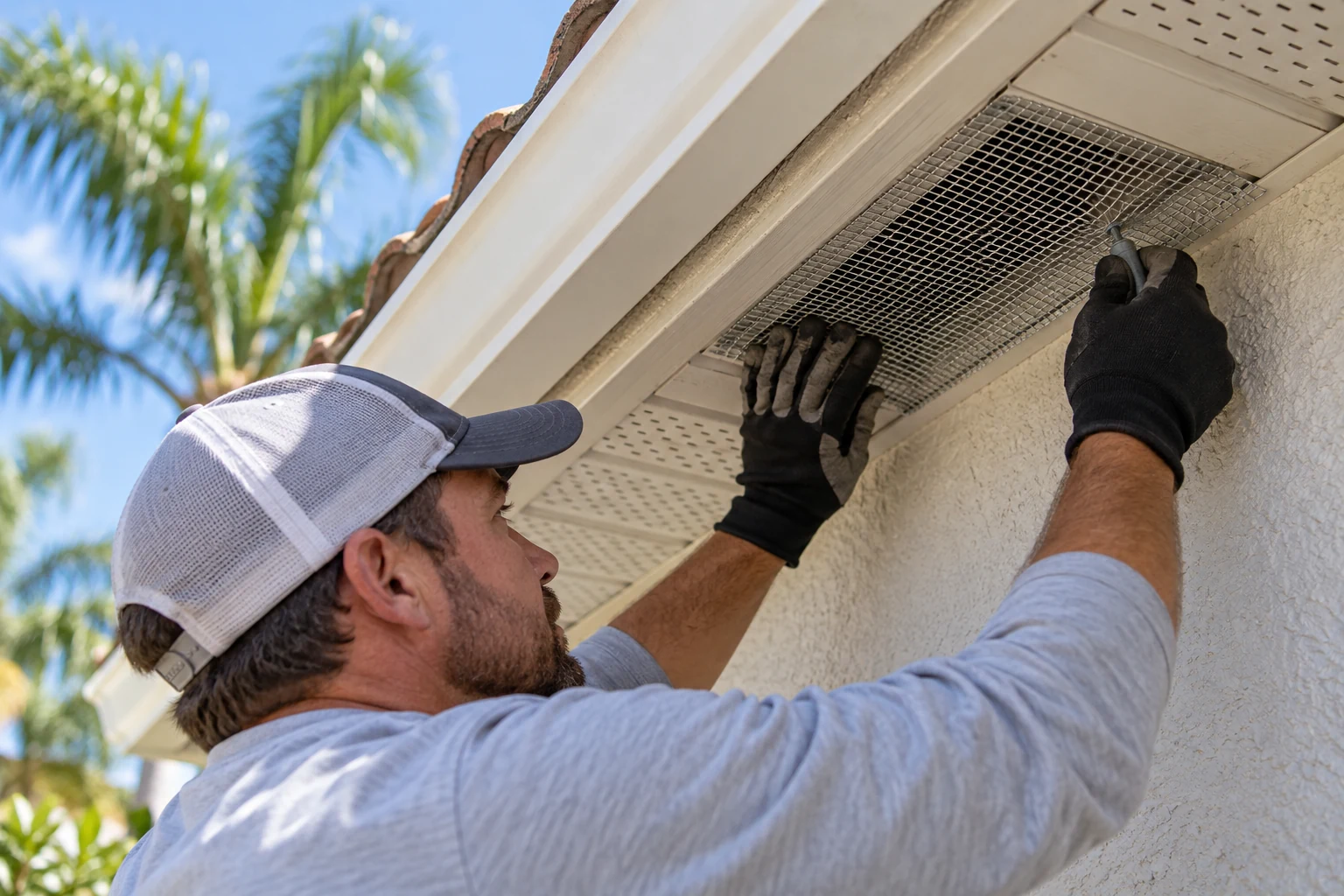
See how this related option supports Mouse Control And Removal planning.
View service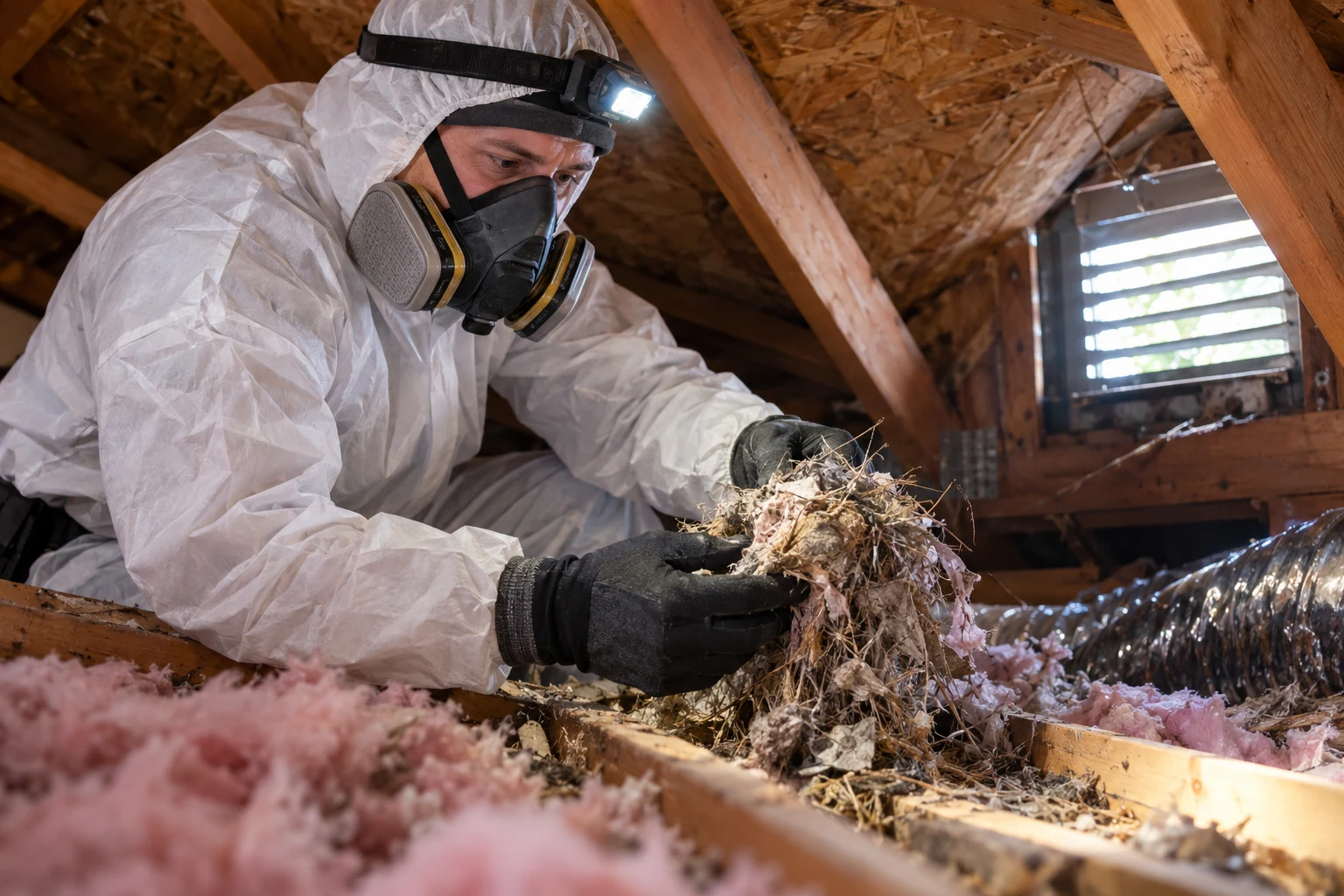
See how this related option supports Mouse Control And Removal planning.
View service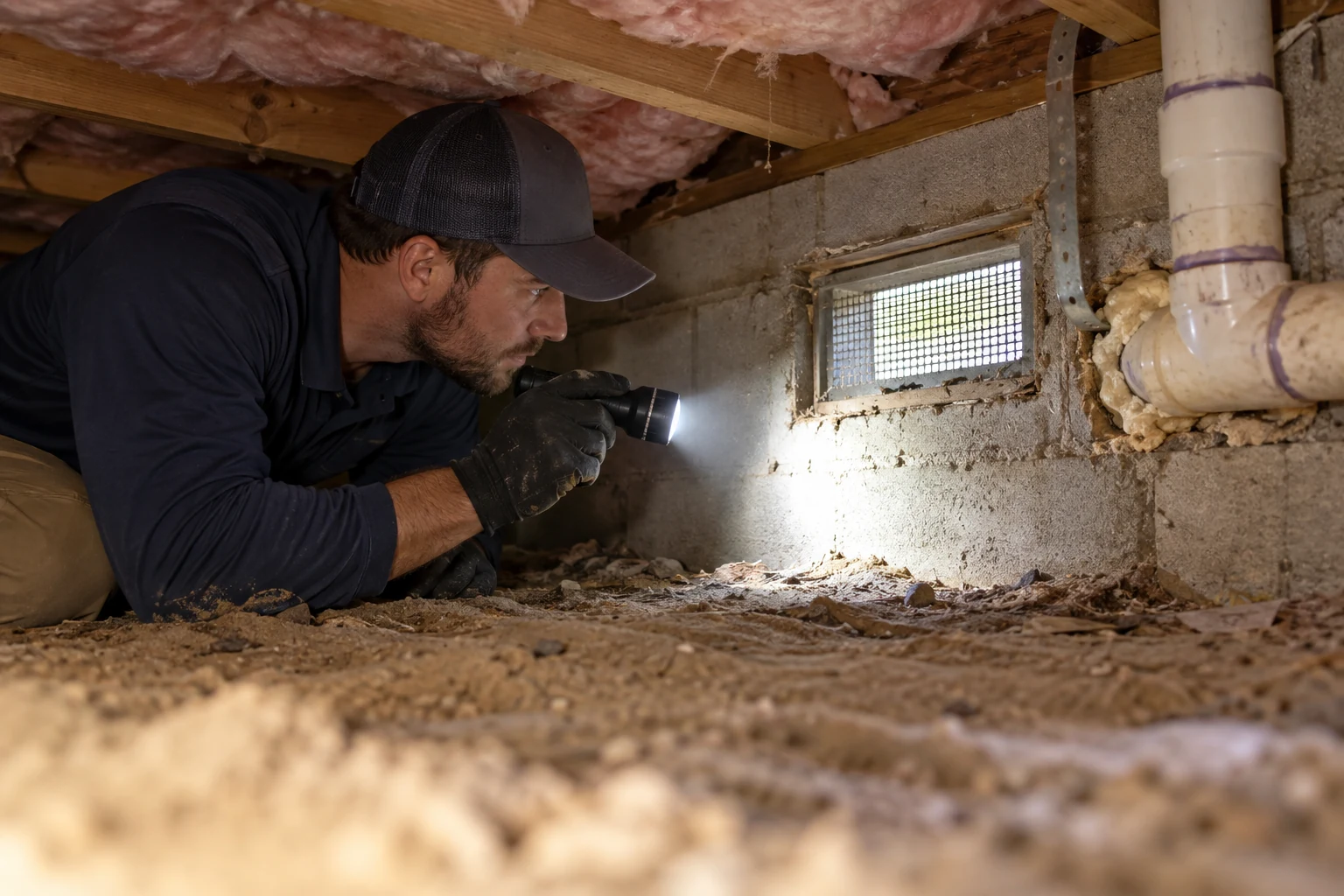
For Mouse Control And Removal, tell us the property type, the affected area, the timing, and any access or household constraint.