Evidence-led scope
Golden Lakes planning: Recommendations follow what the property shows.

Golden Lakes planning: Golden Lakes service planning can be organized around the residence, attached or shared transitions, garage access, storage, and any community maintenance process that affects the work.
Golden Lakes planning: Recommendations follow what the property shows.
Know which rooms or areas matter first.
Golden Lakes planning: Scheduling and occupied spaces are considered.
Leave with observations you can act on.
Golden Lakes planning: Golden Lakes service planning can be organized around the residence, attached or shared transitions, garage access, storage, and any community maintenance process that affects the work.
We start with the property type, the location of the evidence, the way the space is used, and any access limits. That keeps the recommendation specific to your situation in Golden Lakes.

Golden Lakes planning: Some properties need an inspection first. Others already have a clear route, an active animal, contamination, or a repair concern. These services can be combined when the property calls for it.
Golden Lakes planning: A coordinated starting point when the problem spans more than one room.
View service →01Golden Lakes planning: A focused plan for larger-rodent evidence and access routes.
View service →01Golden Lakes planning: A practical response to repeated small signs and concealed routes.
View service →01Golden Lakes planning: Start with evidence when the source or route is unclear.
View service →01Golden Lakes planning: Address the openings that can allow activity to return.
View service →01Golden Lakes planning: Restore affected spaces after activity or removal.
View service →01Golden Lakes planning: Turn the property’s weak points into a repeatable checklist.
View service →Golden Lakes planning: Our first questions follow the evidence rather than a fixed neighborhood script.
Golden Lakes planning: We compare the first reported location with nearby rooms, storage, walls, ceilings, doors, and exterior openings.
Golden Lakes planning: These are the transitions worth checking when they connect the reported evidence to the building envelope.
Golden Lakes planning: Renovation, weather, landscaping, occupancy, storage, and maintenance changes can alter a route or make old evidence visible again.
Golden Lakes planning: The exact scope depends on the property. The sequence below keeps the conversation clear.
Golden Lakes planning: We begin with the room, exterior area, timing, and changes you have noticed.
Golden Lakes planning: We inspect relevant openings, concealed spaces, food or water conditions, and access limitations.
Golden Lakes planning: Removal, exclusion, sanitation, repair, and monitoring are explained as distinct decisions.
Golden Lakes planning: You should know what was observed, what to watch, and which item deserves attention first.

Golden Lakes planning: Fresh droppings, repeated scratching, gnaw marks, nesting, odors, or a damaged opening are useful reasons to document the area and ask for a focused assessment.
In Golden Lakes, the useful starting point is how community homes, patios, garages, shared landscaping, and accessible service paths connect the building edge to the occupied space.
Golden Lakes planning: Those details are not proof of activity by themselves. They are the places we use to organize a careful inspection when the evidence points there, while keeping the recommendation tied to the actual property.

For Golden Lakes, the first conversation should identify the property type, access pattern, and condition that changed before activity appeared.
Golden Lakes planning: Walk the relevant roof, foundation, garage, patio, or service edge before treating an indoor symptom in isolation.
Golden Lakes planning: Note whether the sign is inside a unit, near a common route, or beside a service area that other occupants use.
Golden Lakes planning: Landscaping, construction, deliveries, storage, and occupancy can change where food, shelter, or access is available.
Golden Lakes planning: Use a simple location and timing note so a new sign can be compared with the original pattern.
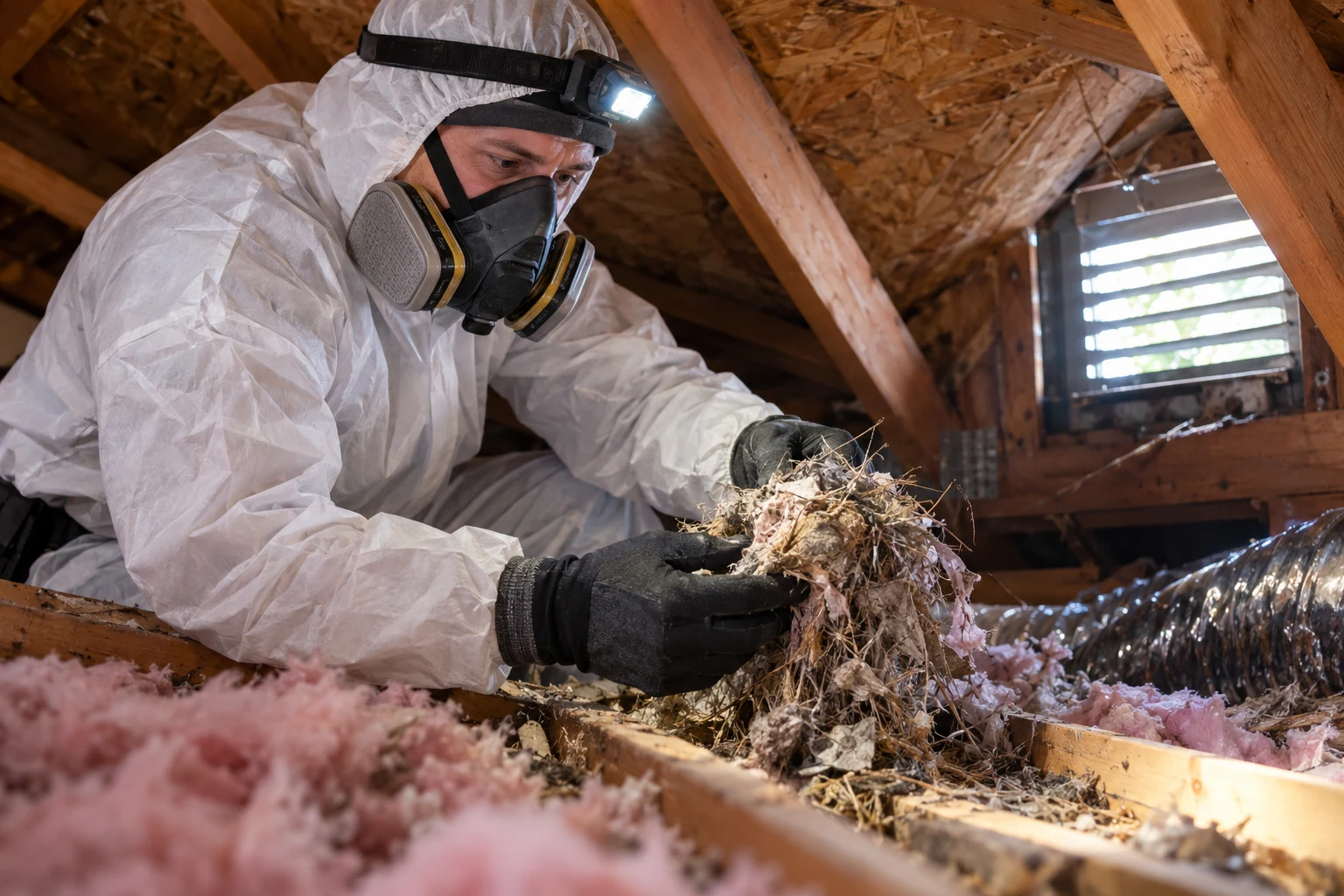
Golden Lakes planning: The location helps define what to check, but the evidence decides what to recommend. We keep the plan grounded in the building in front of us.
A short description helps the service stay specific to Golden Lakes, not just to the word “rodent.”
Golden Lakes planning: Note whether activity appears after heavy weather, roof runoff, yard work, or a change in exterior access.
Golden Lakes planning: Record the room, time, and direction so attic, wall, crawl-space, and exterior routes are not mixed together.
Golden Lakes planning: Say whether the sign is near a hallway, service room, waste area, loading edge, or other shared space.
Golden Lakes planning: Mention recent work, new screens, roof repairs, landscaping, or storage changes that could have altered a route.
Golden Lakes planning: A useful area page should help you notice changes between visits, not create a fixed promise about every property.
Golden Lakes planning: Look for shifted screens, roofline gaps, standing water, fallen limbs, and displaced outdoor storage.
Golden Lakes planning: Recheck doors, vents, utility penetrations, landscaping edges, and openings that were temporarily covered.
Golden Lakes planning: Review pantry storage, waste routines, deliveries, pet food, and rooms that become newly used.
Golden Lakes planning: Keep simple notes so a future sign can be compared with what was previously normal.

Golden Lakes planning: These details help distinguish a location question from a control, exclusion, cleanup, or repair question.
Golden Lakes planning: Is the sign inside the home, at the garage or patio, beside a shared wall, or near a common service area?
Golden Lakes planning: Share the timing of construction, landscaping, weather, storage, deliveries, or a new occupant or pet.
Golden Lakes planning: Identify attic, crawl-space, occupied-room, business-hour, or resident-coordination constraints early.
Golden Lakes planning: Ask for the evidence found, the priority route, the next action, and what belongs with another qualified trade.
Golden Lakes planning: Local context narrows the questions. The service choice should still follow what the property is showing.

Golden Lakes planning: Use when the route, species, or affected space is still unclear.
View inspection
Golden Lakes planning: Use when the building edge is the main question after evidence is understood.
View exclusion
Golden Lakes planning: Use when residue, nesting material, or odor remains after activity is removed.
View cleanupYes. The service summary can identify observed evidence, access points, and follow-up responsibilities.
Record each location separately. Patterns may help determine whether shared conditions should be reviewed.
Discuss access and household needs before scheduling so the scope is practical.
The checklist should include shared transitions as well as unit-level openings and conditions.
Golden Lakes planning: If your property or access situation is unusual, describe it directly so the scope can be planned around the real conditions.
Describe the problem
Golden Lakes planning: A useful first message includes the area, property type, sign location, timing, and any occupant or access considerations.
Open contact page